A Practical Guide to Layering Necklaces
Learn how to layer necklaces by length, neckline, shape and texture, with simple outfit examples and a quick planning table.
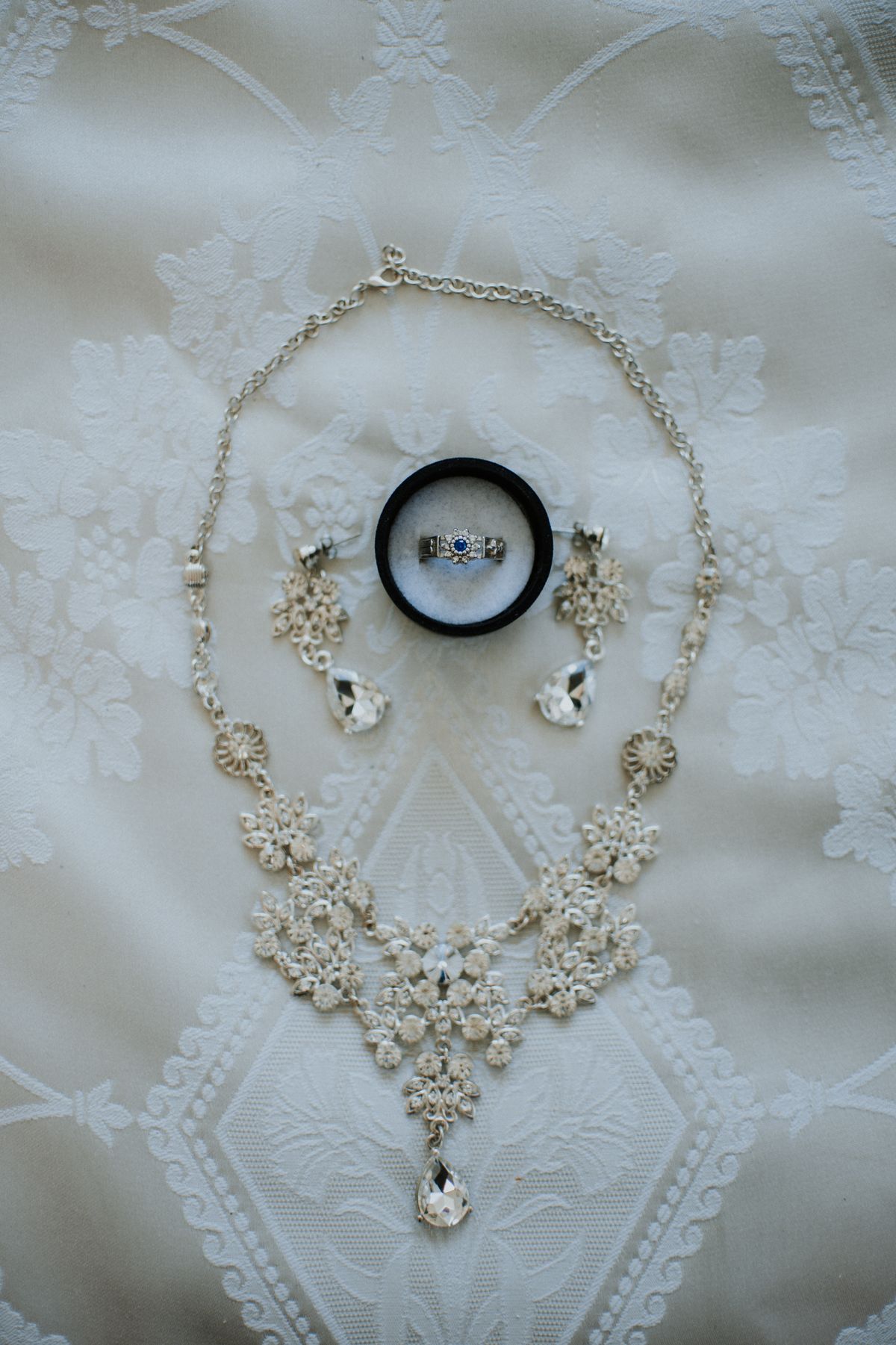
Layered necklaces can make a simple outfit feel considered, but the combination works best when each piece has room to show. You do not need a large collection or a perfect matching set. Start with two pieces, notice how they sit together, and add another only when the outline still feels clear.
The first things to consider are neckline, length and visual weight. A chain that falls under a shirt collar behaves differently from one worn over a crew neck. A pendant may need open space around it, while a fine chain can sit closer to another piece. Small changes in distance can make the whole arrangement feel more balanced.
Plan from the neckline outward
Choose the clothing first, then decide where you want the eye to land. Open necklines leave more room for layers. Higher necklines provide a simple background, so a pendant or a longer line can stand apart. With patterned clothing, a restrained combination is often easier to read than several strong shapes at once.
Before fastening anything, hold the pieces over the outfit. Check where each one ends and whether the shortest chain sits comfortably above the neckline. If two pendants occupy the same space, change one length or remove one pendant. A little separation helps each shape remain distinct.
Use length as the framework
Think in three positions: close to the collarbone, around the upper chest, and lower on the torso. The exact measurements are less important than the visible gap between the pieces and how they relate to the clothing. If two chains fall at nearly the same point, they can tangle or look like a single crowded line.
| Layer | Visual role | Try it with |
|---|---|---|
| Short | Creates a simple starting line | Open collar or a plain top |
| Middle | Adds a pendant or distinct detail | A neckline with a little space |
| Long | Extends the outfit vertically | A solid shirt, dress or knit |
This framework is flexible. Two layers can look complete, and three may be enough for a more noticeable effect. If you want to wear more, keep the shapes simple and check that the chains do not catch on buttons, scarf fabric or a bag strap.
Mix shape and texture thoughtfully
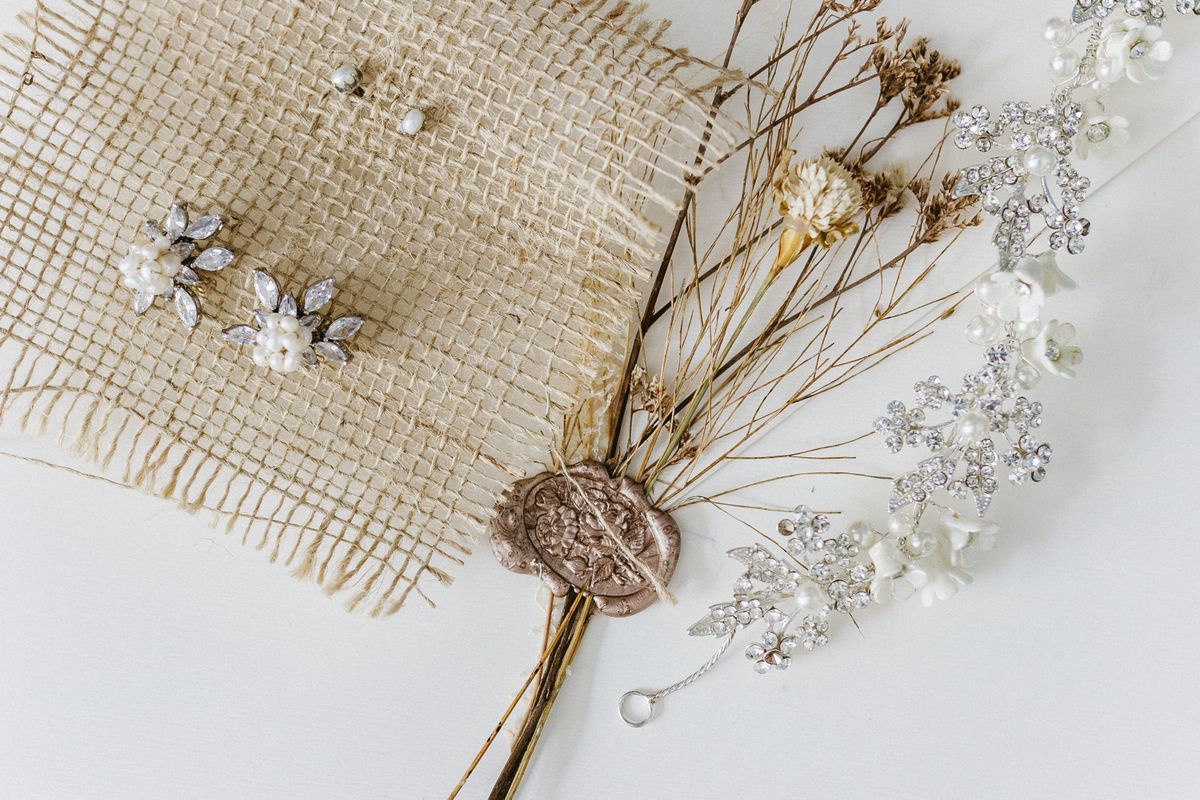
Layering does not require identical chains. A smooth line can sit beside a beaded or textured piece, and a small pendant can add a focal point to a simpler chain. To keep the mix cohesive, repeat one quality: similar color, a shared curve, a familiar finish, or an overall scale that feels compatible.
When you mix colors, make the choice look intentional. Pair two tones and repeat one of them somewhere else in the outfit, such as a button, buckle or shoe detail. If you want a more minimal look, keep the palette close and use differences in texture to create interest.
Three easy combinations
- For a T-shirt: use one short chain and one mid-length pendant, leaving the collar uncluttered.
- For a button-down: wear a short accent above the open collar and a longer piece beneath it.
- For a dress: choose two pieces with different lengths and keep the rest of the accessories quiet.
Take a quick photo of combinations you like. Photos help you compare the spacing and proportions later, especially when you are getting ready in a hurry. If a set looks crowded in the photo, it may also feel busy in person.
Prevent tangles and care for chains
Fasten each clasp before storing a necklace, then lay the chains separately or use individual compartments. When wearing several pieces, check their movement after you put on a jacket or scarf. A chain that shifts constantly may need a different length or a simpler pairing.
Wipe jewelry with a soft, dry cloth after use and keep it away from cosmetics, cleaners and excess moisture. Follow the care directions supplied with each item, since different materials can need different handling. For more ideas, browse ETOI necklaces and the blog archive.
Make layering easier on a busy morning
Choose a reliable two-piece combination and keep it together in a separate compartment. When you want variety, switch only the pendant or the shorter chain. This simple habit saves time and reduces tangles. If you are packing for a trip, fasten each clasp and lay chains flat rather than dropping them loose into a pouch.